This Death should never have happened!
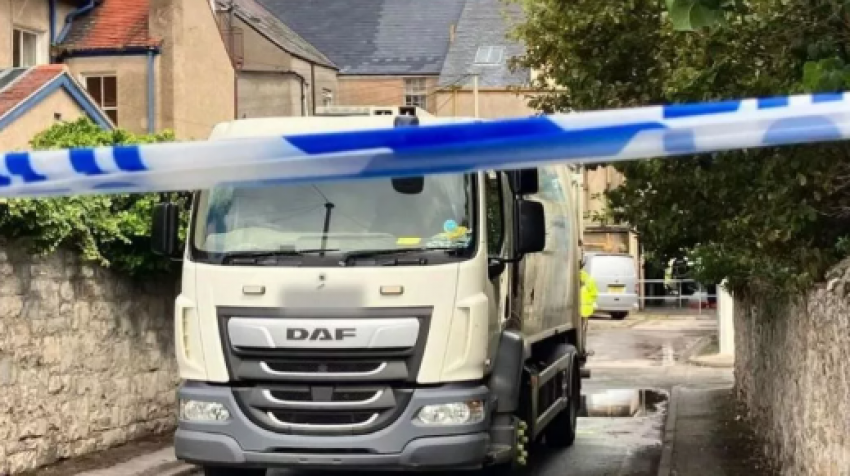
The tragic death of 89-year-old pedestrian Daphne Stallard in Llandudno on 1 September 2025 should send shockwaves through the commercial vehicle industry. She was struck and killed by a Conwy Council recycling lorry on Brookes Street, a narrow residential collection route typical of those navigated by fleet vehicles every day across the UK.
This devastating incident is more than an isolated tragedy — it is a stark reminder of the risks faced when commercial vehicles operate in urban environments without modern safety systems. Confined streets, reduced visibility and the close proximity of pedestrians create daily hazards that can all too easily result in fatal consequences.
Despite a rapid emergency response, including the deployment of an air ambulance, Mrs Stallard was pronounced dead at the scene. The driver was arrested on suspicion of causing death by dangerous driving and later released under investigation. For fleet managers, the circumstances will be grimly familiar. Thousands of refuse collection, recycling and delivery vehicles operate in exactly these conditions nationwide. The uncomfortable truth is that Mrs Stallard’s death was preventable.
Technology capable of stopping such collisions already exists. The Reverse Smart® autonomous braking system from Doctor Air Brake has been designed specifically to eliminate these kinds of incidents. Unlike theoretical concepts, this is proven hardware already protecting vehicles in service today. The system creates an invisible safety barrier around large HGV vehicles. If a pedestrian enters the danger zone, Reverse Smart intervenes immediately, applying the vehicle’s main braking system rather than the handbrake. This is a critical distinction: by engaging the service brakes directly, the vehicle is brought to a controlled and immediate stop, ensuring maximum effectiveness regardless of speed or manoeuvre.
Reverse Smart functions during forward movement, reversing and complex manoeuvres — precisely the scenarios in which accidents like Llandudno occur. Had the Conwy Council recycling vehicle been equipped with this technology, the system would almost certainly have detected Mrs Stallard and applied the brakes before impact. Instead of becoming another statistic, she could have been preparing to celebrate her 90th birthday with her family.
The case has far-reaching implications for the industry. Every fleet vehicle operating in residential streets, pedestrian zones or urban delivery sites represents a potential liability if not equipped with smart safety systems. Operators are not just exposed to moral and reputational risks — they face financial, legal and regulatory consequences. Fatal collision settlements are measured in millions, insurance premiums rise sharply after such events, and reputations built over decades can be lost in a moment. Increasingly, insurers and regulators are questioning operators who fail to deploy technologies that are readily available and demonstrably effective.
Momentum for regulatory change is building, even if nothing has yet been mandated. Council procurement officers have already begun reviewing fleet safety requirements, and autonomous braking systems are increasingly being discussed as part of future contract criteria. Parliamentary debate is also gathering pace, with growing calls for tighter safety standards on commercial vehicles operating in urban areas. While no formal requirement is in place today, operators who act early will be better positioned when change does come — and in the meantime, they will have already reduced their exposure to unnecessary risk.
For fleet operators, the lesson from Llandudno is clear. The technology exists, the business case is proven, and the moral imperative is undeniable. To delay implementation is to accept the risk of another preventable tragedy. Mrs Stallard’s death represents a failure of safety culture, not a failure of technology. The responsibility now lies with operators to act decisively — to protect vulnerable road users, to safeguard their drivers and reputations, and to demonstrate leadership in an increasingly safety-conscious industry.
The commercial vehicle sector must decide whether to lead on safety innovation or continue to react to avoidable fatalities. Mrs Stallard gave so much of her time to others. The most fitting legacy the industry can offer is to protect the communities it serves by ensuring such a tragedy is never repeated.